
Chinese New Year has come and gone. The warmth lingers — echoes of laughter, the last pineapple tarts slowly disappearing — but so does a quiet observation. Some family gatherings feel smaller than they used to. Familiar faces missing. Familiar excuses offered.
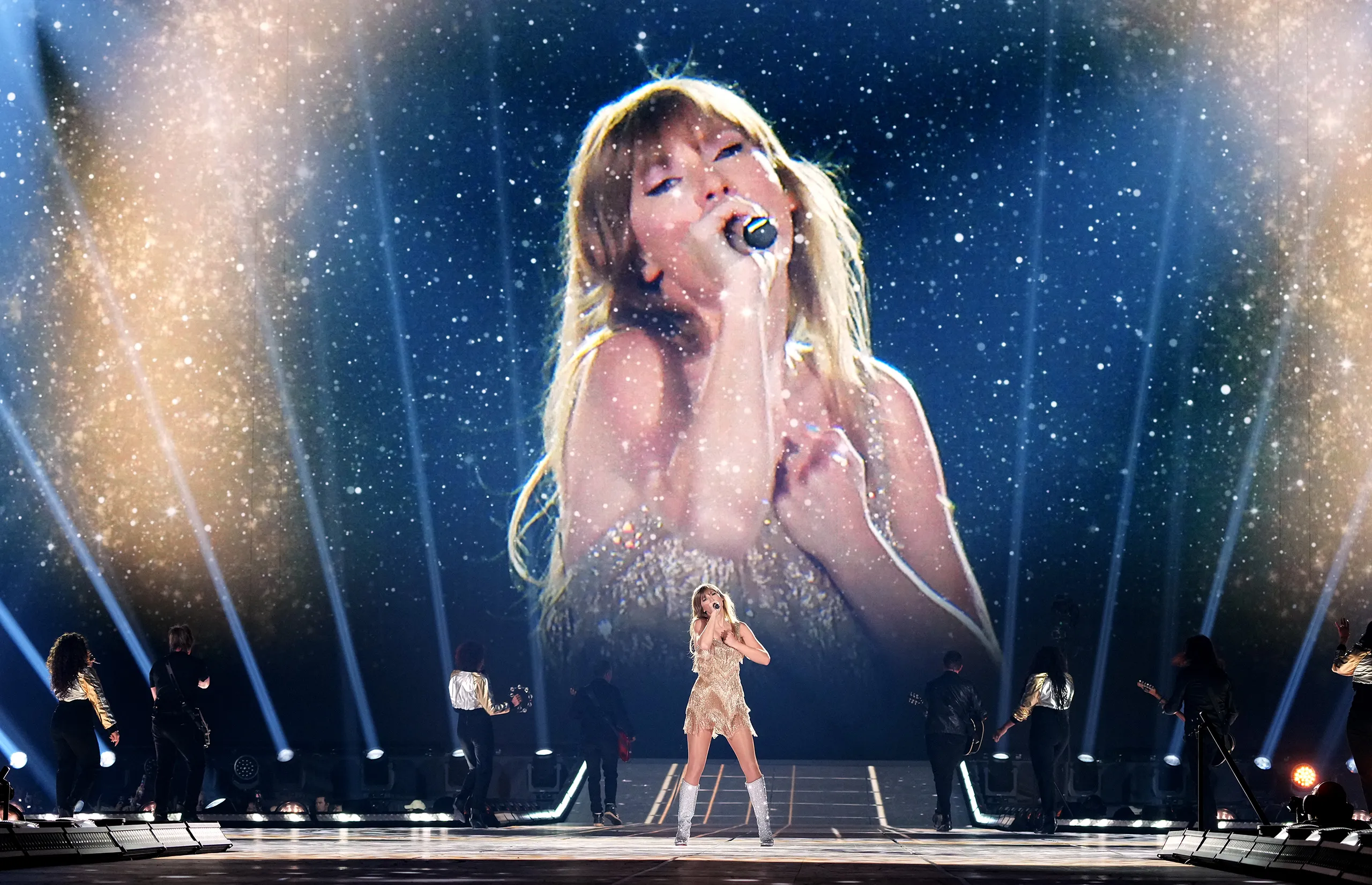
Technology often gets the blame. Screens. Phones. Busy schedules. Yet something about that explanation doesn’t sit quite right. After all, stadiums are still full. Coldplay concerts are packed. Taylor Swift’s Eras Tour sold out almost instantly.
So what’s really going on?
This contrast got me thinking, and two voices came to mind — Brené Brown and Priya Parker. Both speak, in different ways, about connection, vulnerability, and how we choose to gather.
Why family can feel harder than a crowd
Brown reminds us that vulnerability is uncomfortable. Family settings, especially, ask something of us. We are known there. History exists. Roles are remembered. There is pressure — sometimes subtle, sometimes heavy — to show up a certain way. Awkward silences feel louder. Old dynamics resurface. Being “seen” in a family is very different from being seen in a crowd.
Concerts, on the other hand, offer a kind of safety. You can feel deeply without revealing much. You can sing, cry, cheer — anonymously. The emotion is shared, but the exposure is minimal. There’s comfort in that.
Gathering with intention
Priya Parker adds another layer. She speaks about intentional gatherings — how well-designed experiences create a sense of belonging and meaning. Concerts are carefully structured. There’s a clear purpose, a shared focus, a predictable emotional arc. Everyone knows why they’re there and what to expect.
Family gatherings are rarely designed with the same intention. They’re often unstructured, emotionally layered, and unpredictable. And unpredictability can feel exhausting, especially in already full lives.
So are we choosing curated excitement over genuine connection?
Maybe. A concert delivers a powerful high, but it rarely deepens understanding or builds lasting bonds. Family gatherings, messy as they are, hold something different. Shared history. Unspoken language. Growth that happens slowly, sometimes uncomfortably, but meaningfully.
There’s also the question of effort. We’re willing to “fly in” for concerts — plan, queue, spend, commit — yet often “fly out” of family time. Perhaps it’s not that we don’t value family, but that vulnerability feels harder than excitement.
Bringing intention to family time
What if the issue isn’t preference, but intention?
If we approached family gatherings with the same care we give to events — setting expectations, creating space for real conversation, allowing moments of vulnerability — they might feel less draining and more nourishing.
Family connection isn’t always easy. But within the awkwardness and unpredictability lies something no concert can replicate: the chance to be known, imperfectly and honestly.
Curious to hear your thoughts.
