
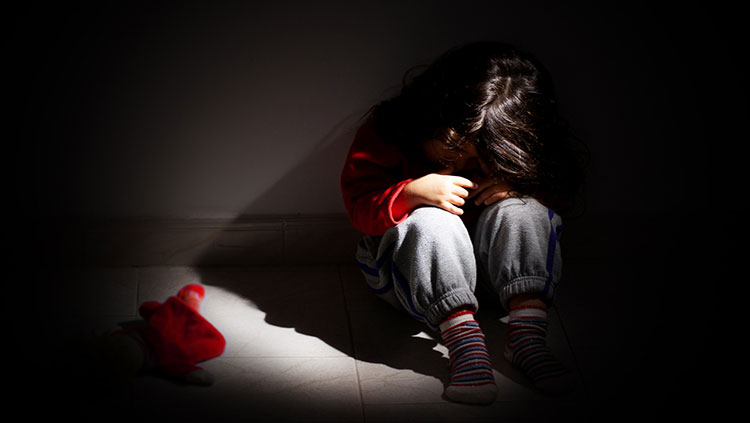
When people hear the word trauma, they often think of extreme events — assault, war, serious accidents, or witnessing violence. And while those experiences are deeply traumatic, they are not the only forms trauma takes.
In practice, trauma is often quieter. Subtle. Easy to miss.
As a therapist, I regularly meet people who have been labelled lazy, unmotivated, emotionally unavailable, or “self-sabotaging.” Some are told they lack discipline. Others are criticised for poor choices in relationships or habits. What’s often overlooked is this: many of these behaviours are not character flaws — they are trauma responses.
Trauma doesn’t always show up as memories or flashbacks. More often, it shows up in everyday life.
Someone described as “lazy” may actually feel constantly overwhelmed, shut down, or emotionally exhausted. A student who cannot bring themselves to complete assignments may not lack ability, but safety. When the nervous system has learned to stay on high alert, focus and motivation become incredibly hard.
Procrastination, too, is often misunderstood. Chronic delaying is rarely about time management alone. It can be rooted in anxiety, fear of failure, or past experiences where effort was met with criticism, punishment, or neglect. Avoidance becomes a way to cope.
Relationship struggles are another common expression of unseen trauma. Many people find themselves repeating the same painful patterns — choosing emotionally unavailable partners, tolerating unhealthy dynamics, or fearing closeness altogether. Often, these patterns trace back to early attachment wounds, where love felt inconsistent, unsafe, or conditional.
Addictions, whether to substances, gambling, work, or screens, are frequently attempts to numb pain rather than moral failings. These behaviours offer temporary relief from emotions that feel too heavy to sit with alone.
The problem is not just the trauma itself, but how it is misunderstood. When parents, teachers, partners, or employers respond with blame instead of curiosity, the person struggling often turns that judgment inward. “Something is wrong with me.” “I’m a failure.” “I’m just broken.” This deepens shame and keeps healing out of reach.
Trauma shapes how we see ourselves and the world. A child raised in chaos may grow into an adult who struggles to relax, constantly scanning for danger. Someone who experienced emotional neglect may never have learned how to regulate stress or ask for help. These are adaptations — ways the nervous system learned to survive.
At Listening Ear Counselling & Consultancy, we work with this understanding. Healing doesn’t start with fixing behaviour. It starts with understanding where it came from.
Through trauma-informed approaches, we help individuals gently explore the roots of their patterns, reconnect with their bodies, and rebuild a sense of safety from the inside out. When people realise that their struggles make sense in the context of what they’ve lived through, something shifts. Shame softens. Compassion grows. Change becomes possible.
If you or someone you care about feels stuck in patterns that don’t seem to make sense, it may not be a lack of effort or willpower. It may be unseen trauma asking to be understood.
Support is available, and healing does not require reliving the past — only learning how to meet it with care.
References.
- Richter-Levin, G., Sandi, C. Title: “Labels Matter: Is it stress or is it Trauma?”. Transl Psychiatry 11, 385 (2021). https://doi.org/10.1038/s41398-021-01514-4
- Danese A, van Harmelen AL. The hidden wounds of childhood trauma. Eur J Psychotraumatol. 2017 Oct 17;8(sup5):137584. doi: 10.1080/20008198.2017.1375840. PMID: 29152161; PMCID: PMC5678436.
- Nelson CA, Scott RD, Bhutta ZA, Harris NB, Danese A, Samara M. Adversity in childhood is linked to mental and physical health throughout life. BMJ. 2020 Oct 28;371:m3048. doi: 10.1136/bmj.m3048. PMID: 33115717; PMCID: PMC7592151.
